Rent, Not Plumbing: The Ongoing Bill Hiding Inside Every API Connection
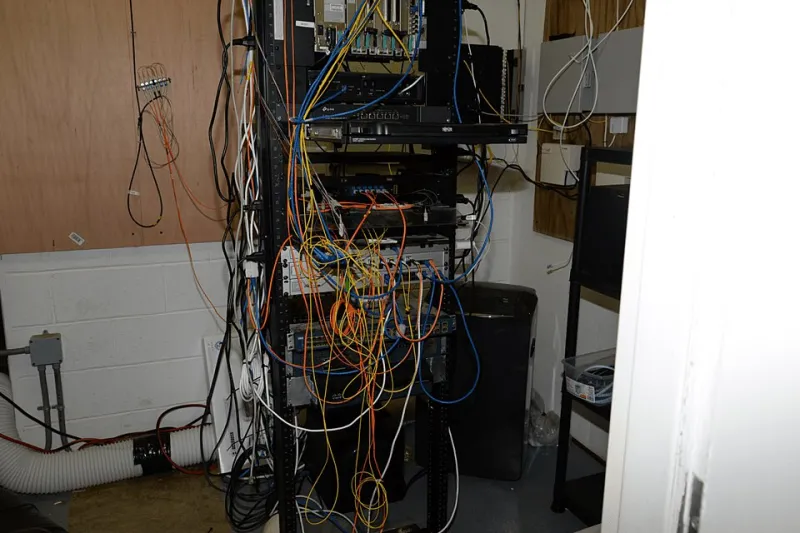
Photo: Federal Bureau of Investigation, Public domain, via Wikimedia Commons
Every software buyer has heard the pitch. The product "integrates seamlessly" with the tools you already use. One click, an OAuth screen, a checkbox in a settings panel — and the connection is made. The implied promise is plumbing: install it once and water flows for the life of the building.
The reality is closer to a rental agreement. Each integration carries a recurring cost in engineering attention, maintenance windows, and quiet failures that surface at the worst possible times. Call it the integration tax, and most companies are paying it without ever seeing an invoice.
A Week in the Life of Meridian's Stack
Consider Meridian Creative Group, a fictional but representative 60-person marketing agency based in Denver. Their stack includes a CRM, a project management tool, a time tracker, three reporting platforms, and a tangle of native integrations plus a few custom scripts a former employee built in Zapier and, later, in raw Python.
On Monday, the Slack-to-project-management sync breaks. A webhook endpoint started returning 429 errors after the vendor tightened rate limits over the weekend. Nobody notices until Tuesday morning, when a client deliverable slips because a task was never created.
Wednesday brings a deprecation email. The reporting platform is sunsetting API v2 in nine months; v3 changes the authentication scheme. Estimated migration effort from the engineering contractor: twelve billable hours, minimum.
By Friday, the finance team discovers that a duplicate-sync bug has been double-counting billable hours in the time tracker for three weeks — a revenue leak nobody budgeted for.
Four incidents in one week. No code was written that created new value for a single client. All of it kept existing connections breathing.
What the Tax Actually Consists Of
The integration tax has four line items, and they compound.
Monitoring. Every connection needs someone watching it. Vendors promise uptime; they rarely promise your specific sync will survive their next deploy. Someone has to notice when it doesn't.
Migration. APIs change. Deprecations arrive on the vendor's schedule, not yours. A well-run SaaS company might face two or three forced migrations per year across its stack.
Failure triage. When a sync silently drops records or duplicates them, the cleanup cost dwarfs the original integration effort. Data corruption is the tax's cruelest form because it compounds.
Cognitive load. The hardest cost to measure. Every integration is one more thing an engineer must hold in their head — its quirks, its rate limits, its undocumented behaviors. This is why small teams drown in tools that large teams absorb.
For Meridian, a rough annual tally of contractor hours, internal time, and lost billings lands near $38,000 — spread across integrations that were each marketed as "free."
Pricing Connections Like Leases
None of this argues against integrations. Connected software is genuinely better than siloed software, and vendors who invest in robust, well-documented APIs deserve credit. The argument is for honest accounting.
Buyers should evaluate integrations the way they evaluate rent: not by move-in cost but by monthly obligation. Does the vendor publish deprecation timelines? Do they offer status pages and webhooks for monitoring? Is there a real SLA behind the integration, or just a logo on the pricing page?
Vendors, meanwhile, should treat integration reliability as a product surface — versioned, tested, and staffed — rather than a marketing checkbox. The companies that do will find that "seamless" becomes a defensible claim instead of a slogan.
Plumbing, it turns out, was always the wrong metaphor. Integrations are tenants in your architecture, and like any tenant, they expect to be housed, maintained, and paid for — every month, indefinitely. Buyers who price them that way will make calmer decisions, and vendors who honor the metaphor will earn loyalty the checklist features never could.